Research
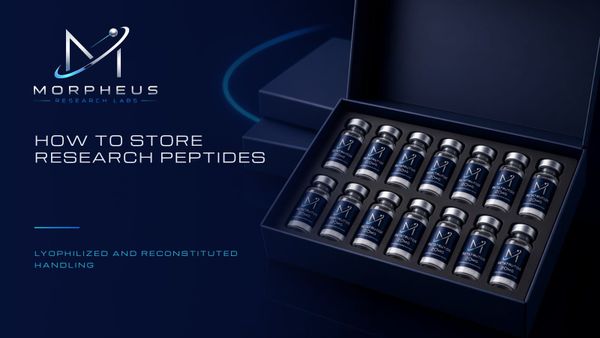
How to Store Research Peptides: Lyophilized and Reconstituted Handling
Lab guide to research peptide storage: temperature, light, moisture, freeze-thaw, aliquoting and labelling for lyophilized and reconstituted peptides.
Research
Lab guide to research peptide storage: temperature, light, moisture, freeze-thaw, aliquoting and labelling for lyophilized and reconstituted peptides.
Research
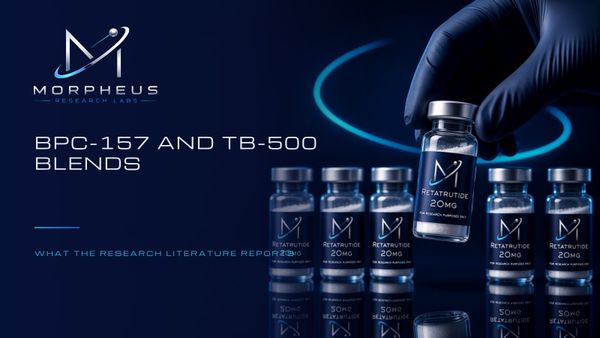
BPC-157 and TB-500 (thymosin beta-4) research: origins, published preclinical findings, blend characterization and lab handling.
Research
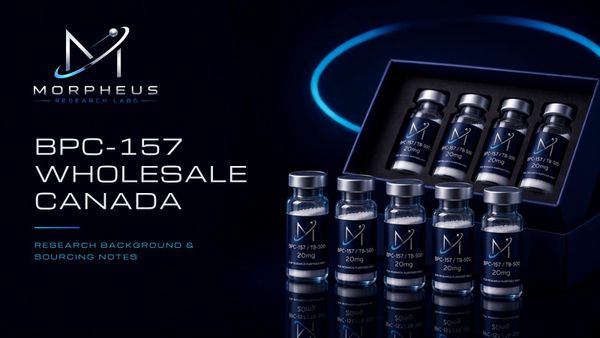
BPC-157 for research in Canada: what the preclinical literature reports, how the peptide is characterized and what wholesale buyers should check.
Research
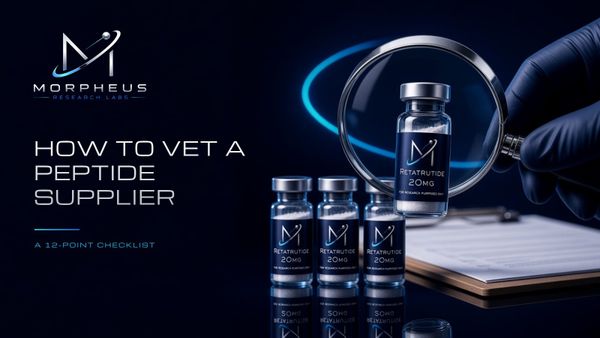
A 12-point checklist for vetting a research peptide supplier: third-party testing, lot matching, mass spec identity, storage, transparency and red flags.
Research
Wholesale research peptide orders in Canada: minimums, mixed lots, pricing tiers, batch testing, lead times and how to write a quote request.
Research
How Canadian labs can source research peptides: purity, net content and endotoxin testing, COAs, and what to ask a supplier. Includes our own test results.
Research
Reselling or white-labelling research peptides in Canada: supply, labelling, COA handling, storage, compliant marketing and questions to ask.
Research
HPLC measures how pure a peptide sample is; mass spectrometry confirms what it is. How both methods work, their limits and why you need both.
Research
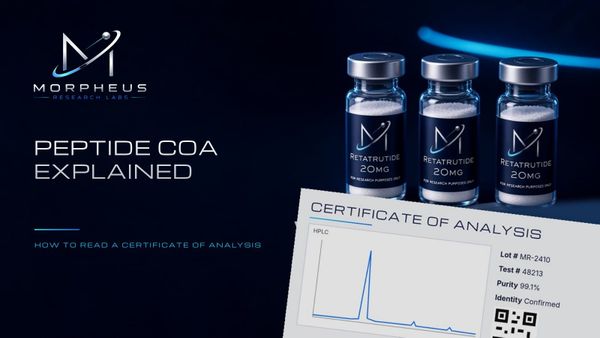
Learn to read a research peptide certificate of analysis: lot numbers, HPLC purity, mass spec identity, net content, test dates and signs of a weak COA.